Data Engineering
The plumbing your reporting depends on. Built once, monitored properly, and boring in the best way.
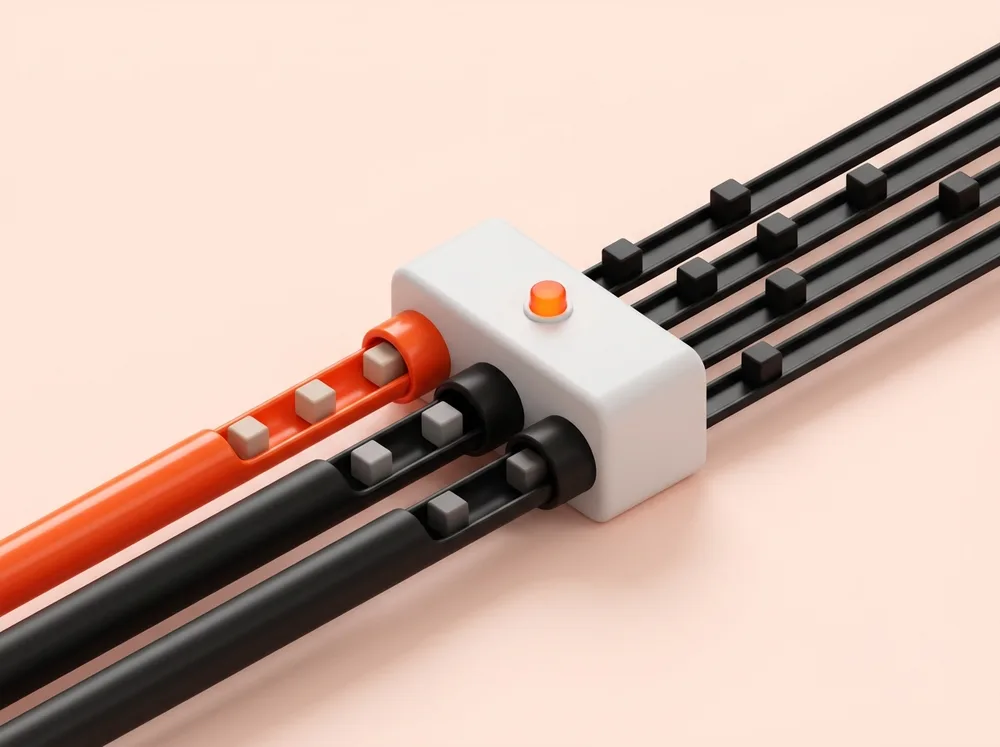
What this actually is
Most data problems are not analysis problems. They are delivery problems: the export ran late, the column silently changed type, someone edited the sheet, and by the time anyone notices, three dashboards have been wrong for a week.
We build the layer that stops that happening. Sources get connected properly, transformations live in version control instead of in someone's head, and every run is scheduled, logged and alerted on. When something upstream breaks, and it will, you find out from us rather than from a client.
The result is a warehouse your team can actually trust, and a set of pipelines that keep running whether or not anyone is thinking about them.
What changes for you
- One source of truth instead of five conflicting exports
- Reports that are correct at 8am without anyone refreshing anything
- Schema and pipeline changes caught before they reach a dashboard
- Hours of manual copy-paste removed from someone's week
What we build it with
Pipelines & orchestration


Storage & warehousing


Automation & glue

What's included
ETL / ELT pipeline design & builds
Web & document data extraction
Data cleaning & normalization
Warehouse & lakehouse setup
Scheduled workflow automation
From first call to handover
Audit what you already have
We inventory every source, export and spreadsheet currently feeding a decision, and mark which ones are trustworthy. This usually surfaces two or three numbers that quietly disagree.
Model before we move
We agree the definitions (what counts as an active customer, when revenue is recognised) and encode them once, so the same question returns the same answer everywhere.
Build, schedule, monitor
Pipelines ship incrementally with tests and alerting attached from day one. You get a run history you can look at, not a black box.
Hand over documented
Everything lives in your repositories and your cloud, with a written runbook. If you bring this in-house later, nothing has to be reverse-engineered.
Questions about data engineering
Do we need a warehouse before you can start?
No. If you do not have one, setting it up is part of the work. If your volumes are modest, we will tell you when plain PostgreSQL is the right answer instead of something bigger and pricier.
Can you work with the tools we already pay for?
Usually yes. We would rather connect what you have than sell you a migration. If an existing tool genuinely cannot do the job, we will show you why before recommending a change.
What happens when a source API changes?
Pipelines ship with tests and alerting, so a breaking change surfaces as a notification rather than a silently empty table. Retainer clients get the fix; project clients get a documented runbook to do it themselves.
This service in the wild
Have a project in mind?